I’ve been taking technology apart since before I spoke English.
Peter to the org chart. Dimo to everyone else. This is the long way round — from a second-hand Commodore 64 to building the data and AI systems that run modern agencies.
01
The kid who couldn’t turn it off
My parents left Greece in the 1980s for Australia with the usual immigrant deal: work hard, give the kid a better shot. I was that kid — an only child who spoke Greek before English, happiest when left alone with something to figure out.
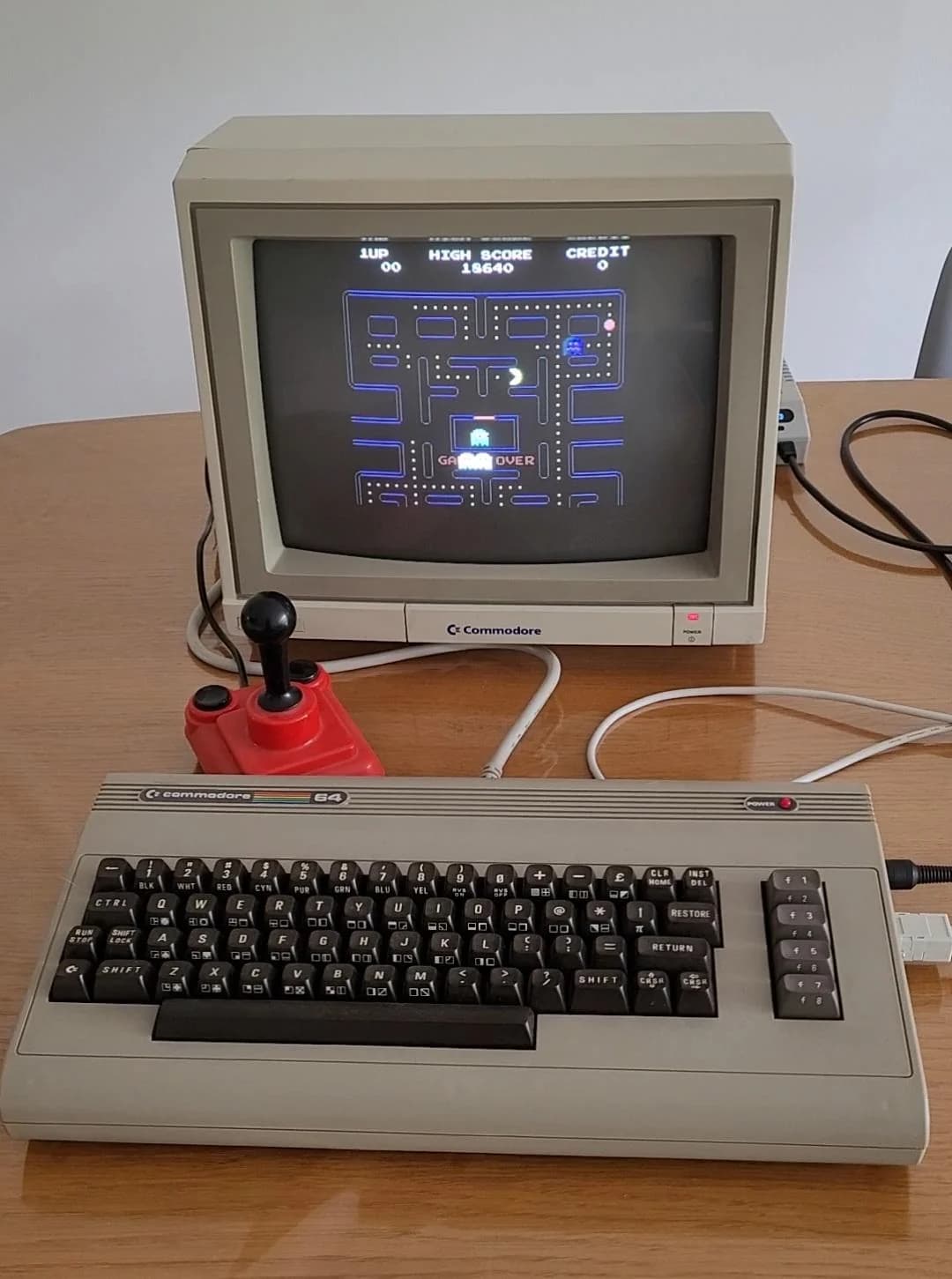
The something arrived when Dad brought home a Commodore 64 from a school sale. It did absolutely nothing until you told it precisely what to do — and at first, I couldn’t even tell it to turn on. It took me forever. Longer still to coax a game off a cassette tape. But somewhere in that stubborn back-and-forth — me versus a blinking cursor — something clicked that never switched off again.
I wasn’t there for the games. I was there to figure out the machine. Thirty-odd years later, that hasn’t changed. The machines just got bigger.
02
Wires first, words later
I was the kid who took things apart to see how they worked, then put them back together a little better. Through my teens I was building computers from parts — I even ran a small business assembling custom PCs for people. A freelancer before I knew the word for it.
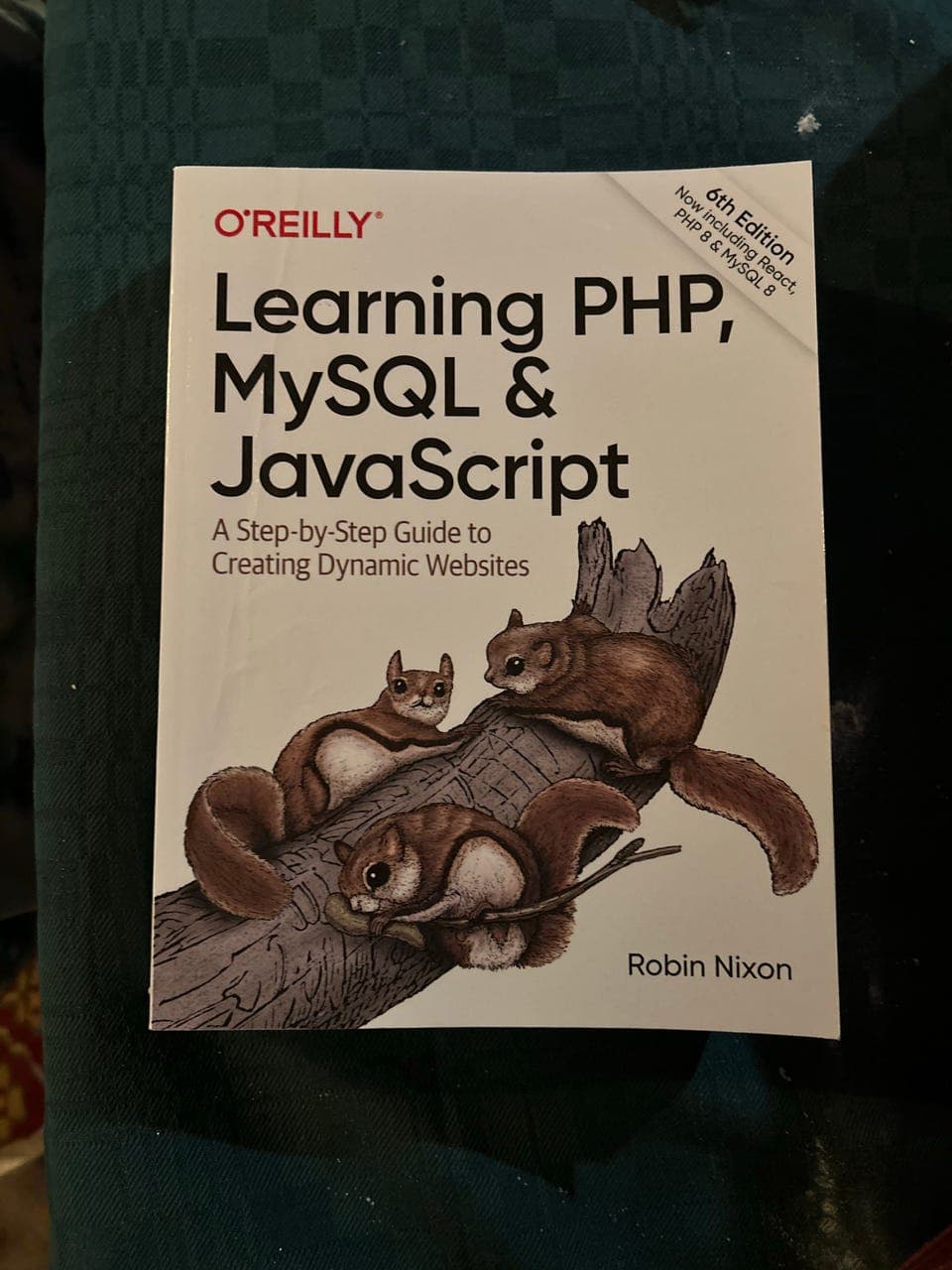
Then Macromedia Flash arrived and broke my brain in the best possible way. Suddenly I could build worlds: interactive games, websites, things that moved and answered back. I started taking freelance web work while I was still at school, wrestling whatever the job demanded — classic ASP, then Flash and ColdFusion, before landing on PHP and MySQL, the stack that actually stuck.
03
The dream job that didn’t feel like work
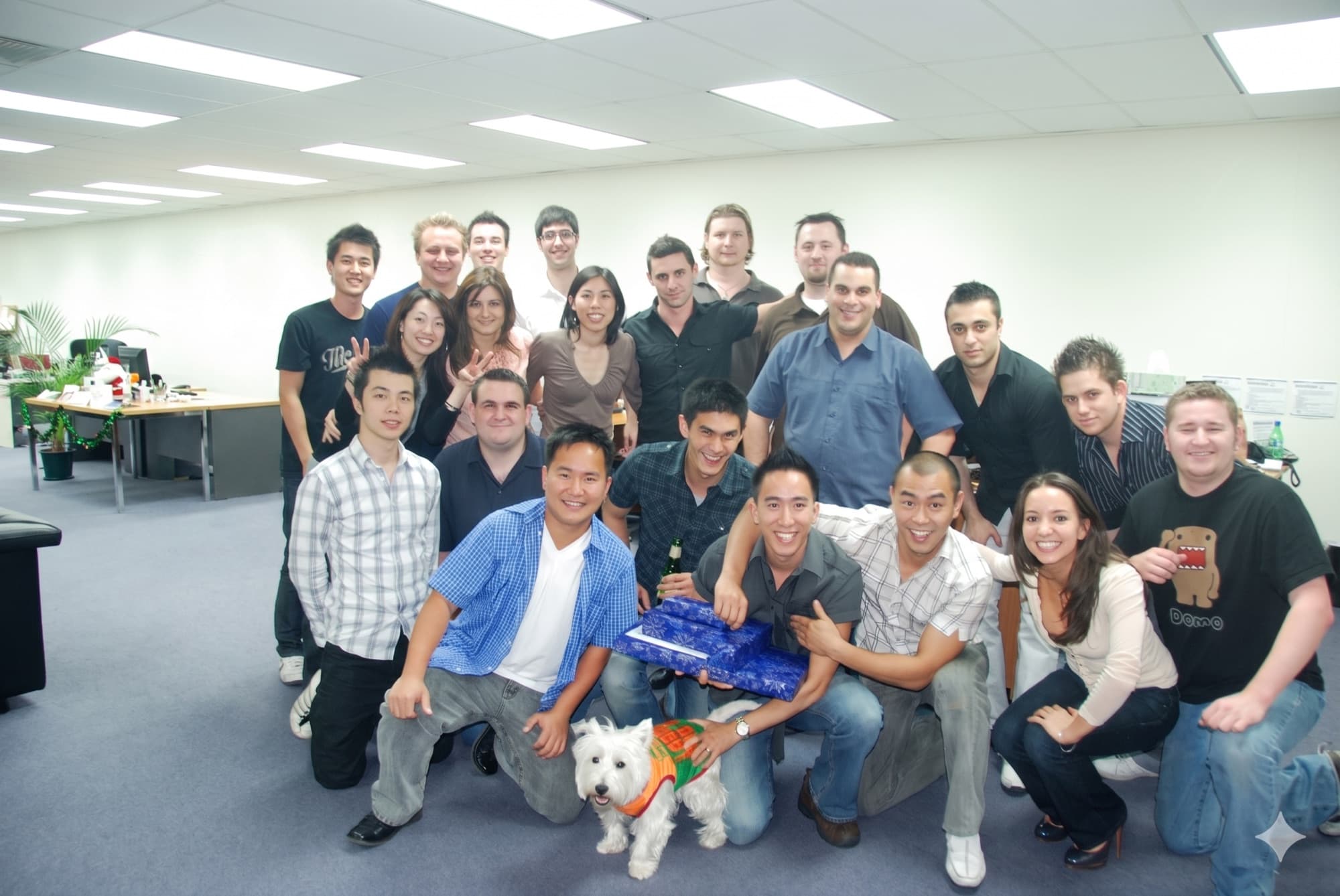
E-Web Marketing was the first place that paid me to do the thing I’d have done for free. I came in as a web developer, and the work was gloriously chaotic: a client would turn up with a site, and I’d reverse-engineer whatever it ran on, learn it on the fly, and make it sing. New stack, new build, every single project. Most people would call that the hard part. For me it was gold.
It’s also where I found SEO — back when nobody in Australia really knew how it worked. So I did what I always do: I experimented. Test sites, trial and error, picking the thing apart until it gave up its secrets. We got good enough that E-Web ranked #1 in the country for the word “SEO” itself.
And quietly, around me, “web” was becoming “digital advertising.” I didn’t know it yet, but that’s where the rest of my career was heading.
If an SEO agency can’t rank itself for the word “SEO,” why would you trust it to rank you?
04
Betting on myself
Eventually I had to find out if I could build something of my own. A good friend and I started Dimace — a network of e-commerce stores on Magento (now Adobe Commerce), back when it had barely launched. We were early to something real, and commercially, it worked.
When the partnership had run its course, we sold up and I moved on. I won’t pretend it was painless — but I learned more in those years about business, risk and resilience than any job could have taught me. I’d do it again in a heartbeat.
05
The big leagues
After Dimace I wanted a crack at the top end of town, so I stepped into the world of global media agencies under the Aegis Dentsu umbrella — working on names like David Jones, Woolworths, Virgin Velocity and Peugeot. Serious scale, and a completely different planet from boutique E-Web.
I loved it. I learned how the machine really works when the logos and the stakes are that big, alongside some genuinely brilliant people. It sharpened an instinct I’ve kept ever since: the best idea in the room means nothing if you can’t execute it at scale.

06
From marketer to builder
Then Gary Nissim made me an offer I couldn’t refuse: come co-found something. Indago Digital started small — literally out of a client’s office — and grew into one of the best SEO offerings in the country. I came in to build the team and the product, and somewhere in there, the kid with the Commodore 64 woke back up.
Because the more we scaled, the more I saw the same thing: too much of this work was being done by hand, in spreadsheets, by people. So we built our way out of it. We dragged SEO into proper BI platforms — Tableau, Power BI — when that was still a finance-world idea, not a marketing one, and built proprietary products to do the heavy lifting.
Indago was acquired by Nunn Media, and I stepped up to Chief Technology Officer — the title finally catching up to the work I’d been doing all along.
I stopped thinking like a marketer and started thinking like an engineer again.
07
Today
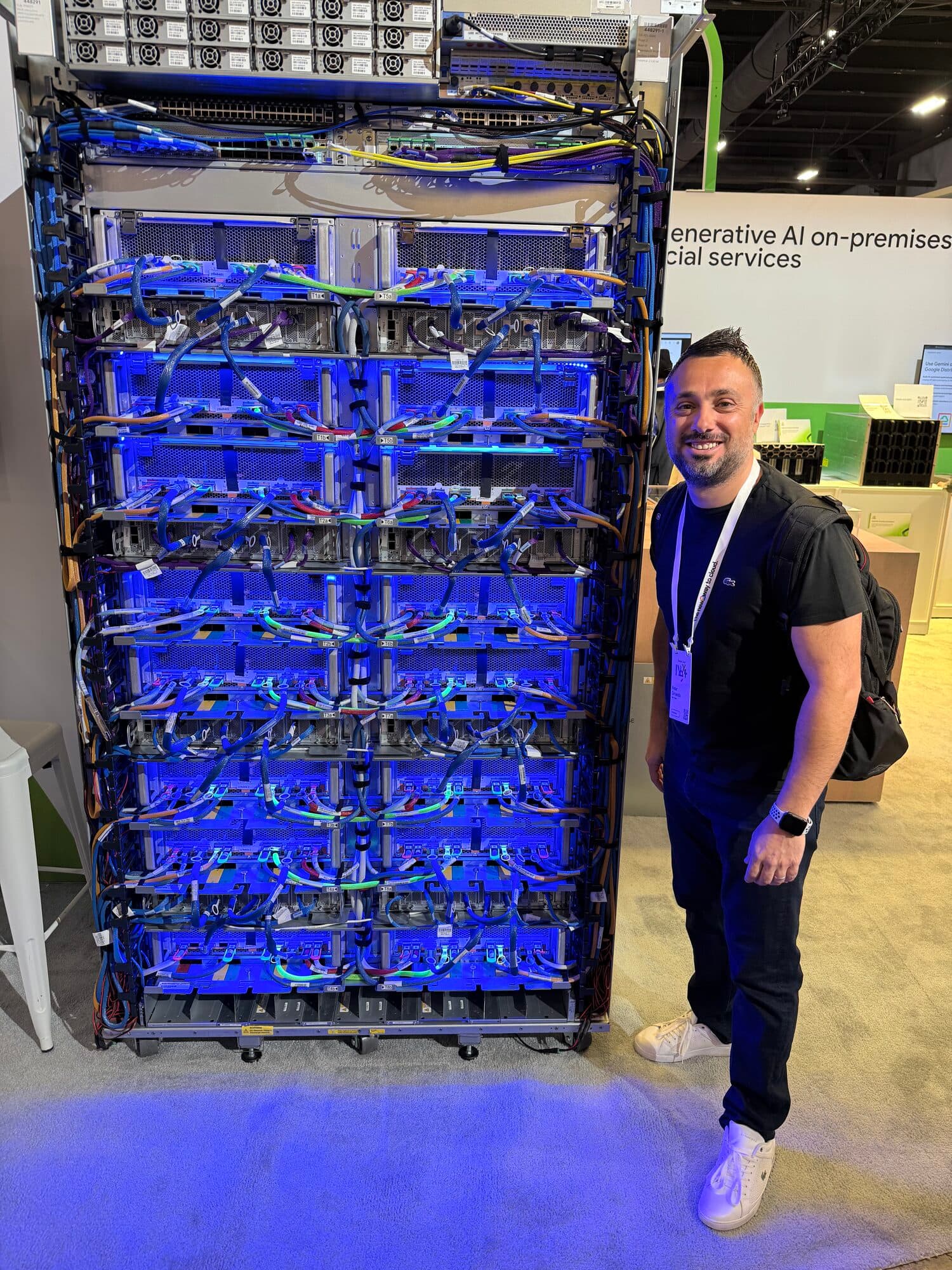
These days I’m CTO at Alley Group, doing the thing I care about most: turning data, AI and cloud into products that actually ship — and make an agency sharper, not heavier. I’ve built data and analytics teams across continents, put AI to work on the unglamorous problems that quietly eat a business alive, and consolidated sprawling operations onto platforms that just work.
Twenty years on from that first beige machine, the job is still the same: figure out the system, then make it better.

Technology exists to make people’s lives better.
I care about great design, great experience, and technology so simple it disappears. If the user has to think about the machine, the machine has failed.
Simple beats complex, almost every time.
The hard part isn’t adding complexity — it’s having the judgment to remove it. The simplest solution is usually the most effective one, for the person using it and the team building it. Complexity is a cost, not a flex.
Digital advertising is becoming a technology function — and most of the industry hasn’t caught up.
For years it lived inside marketing; it’s moving fast into engineering. Being able to actually code, to own the technical remit, matters far more now than it did even a year ago. That shift is exactly where I live.
09
The man behind “Dimo”
“Peter” is the name on the contract. “Dimo” is the one people actually use — a leftover from high school, a short version of my surname that stuck whether the resemblance was there or not.
Off the clock, I’m a pretty typical dad, and happily so. I’m married to my beautiful wife, and together we’ve got three boys — which means most weekends are spent on the sideline cheering on soccer and baseball, or around a barbecue with family. When we can, you’ll find us out on the water on the boat, or somewhere new entirely — we love travelling as a family, chasing new places, cultures and experiences.
The Greek kid who spoke Greek before English never really left. The curiosity, the work ethic, the love of building something that lasts — that all came from home.
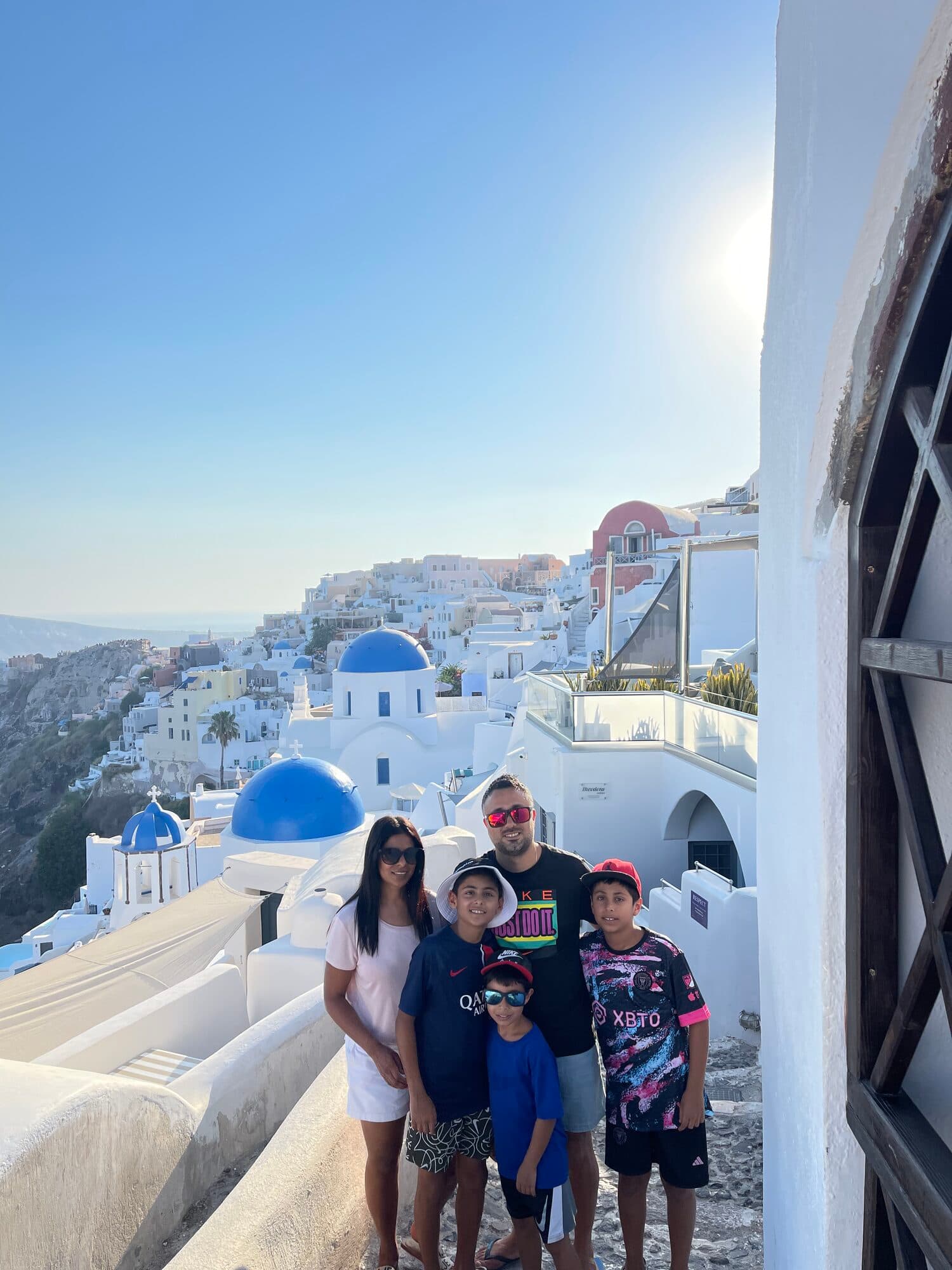
Officially Peter. Exclusively Dimo.
Got a problem worth solving?
If you’re an agency owner, a CMO, or sitting on a board, and you’ve got a thorny problem where data, AI, technology and growth collide — the kind that needs someone who’s actually built the thing, not just talked about it — let’s have a chat. I’m selective about what I take on, I reply to everything that isn’t a recruiter template, and you’ll be dealing with me directly.